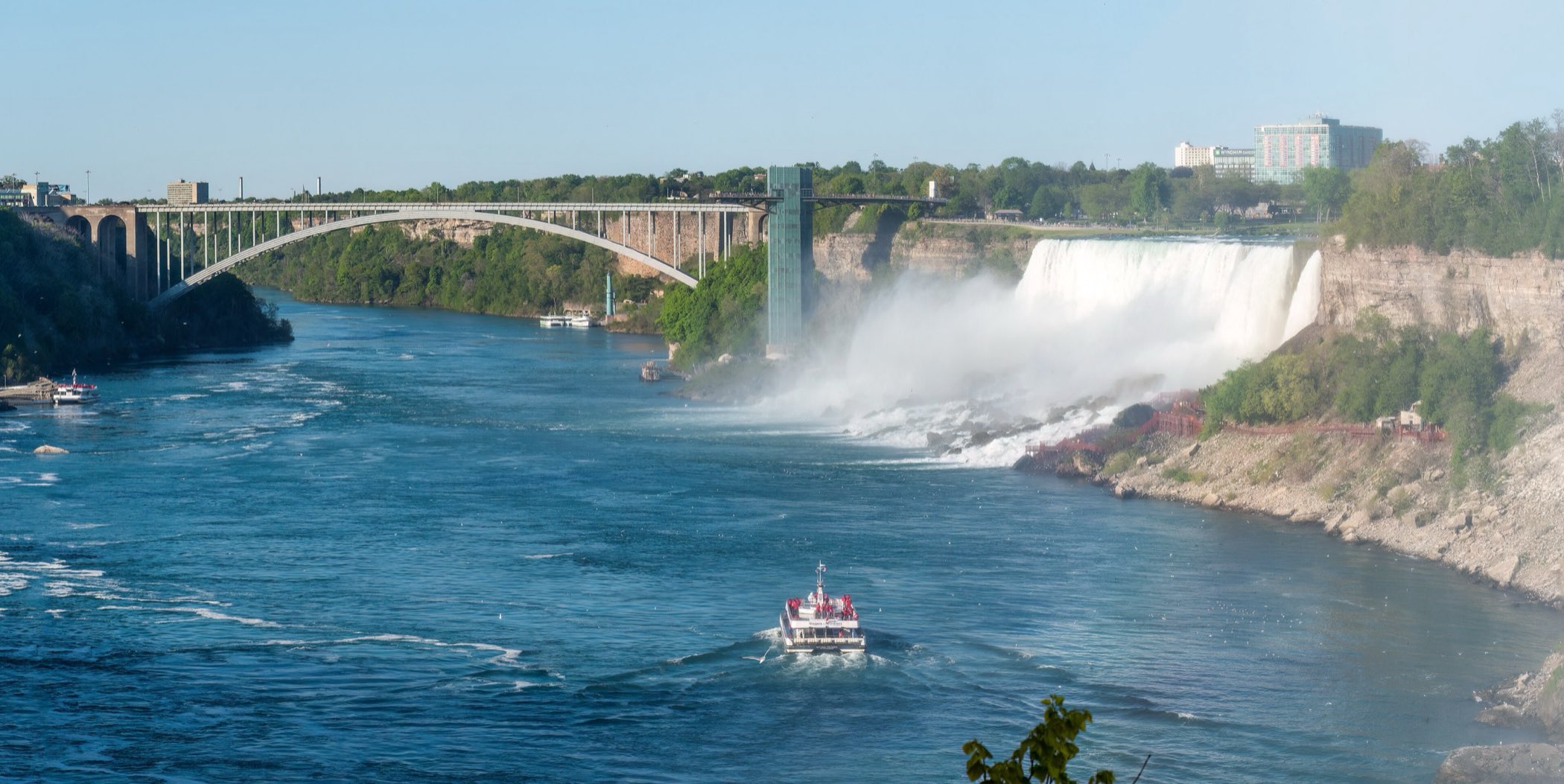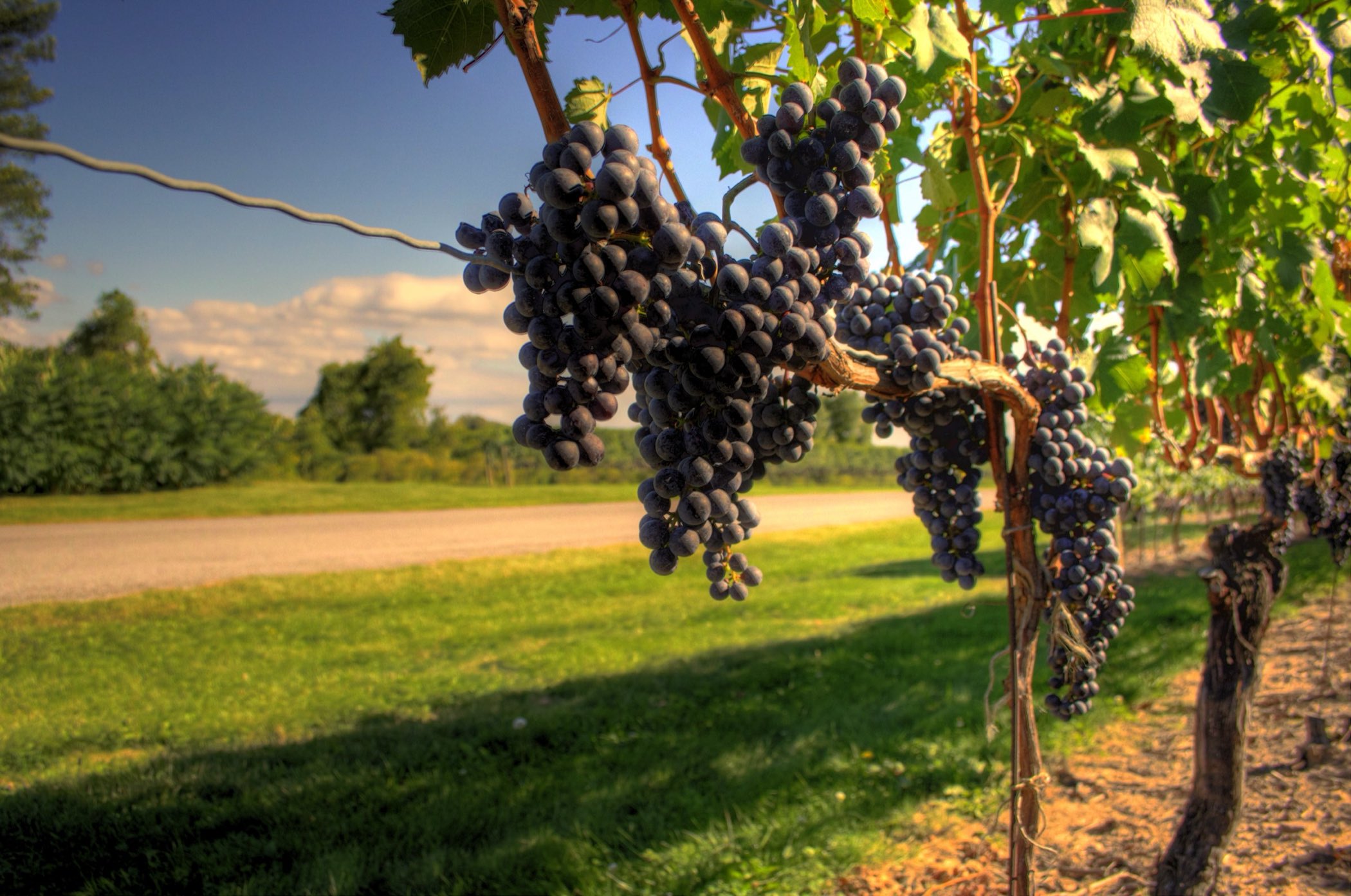
Most people come to Niagara for the falls and never realise that a serious wine region sits twenty minutes north. The land between the escarpment and Lake Ontario has the right soil and a long, moderate season, and it produces some of the best cool climate wine in Canada, including the ice wine the region is known for around the world.
Start in the town
Niagara-on-the-Lake is the base. Park once, walk Queen Street, and treat the wineries as spokes around it. The town itself is worth an hour: heritage storefronts, a clock tower, gardens, and the Shaw Festival theatre if you want to add an evening show.
How to taste without overthinking it
You do not need a reservation to taste at most estates midweek, though weekends and large groups are easier with one. A tasting flight is a few small pours, usually for a set fee that is often waived if you buy a bottle.
If you only have time for two or three stops, mix a large, polished estate with a smaller family run one. The big names are an easy introduction. The small growers are where you find the bottles you cannot get at home.
Understand the ice wine
Ice wine is made from grapes left on the vine until they freeze, then pressed while still frozen so only the concentrated, sweet juice comes out. It is intense, served in small glasses, and priced accordingly. Taste it before you decide whether to buy. A little goes a long way, and a half bottle is plenty for most households.
Getting around
This is the one part of the day to plan. The wineries are spread across country roads, and someone has to drive. Either nominate a driver, hire a car service, or join a small group winery tour that handles the route for you. Do not improvise it after three tastings.
Where to eat
Several estates have excellent restaurants with vineyard views, and they book up at lunch in summer. Reserve one in advance and build the day around it. In town, Queen Street has enough cafes and bistros to handle a walk in lunch if you would rather keep the day loose.